
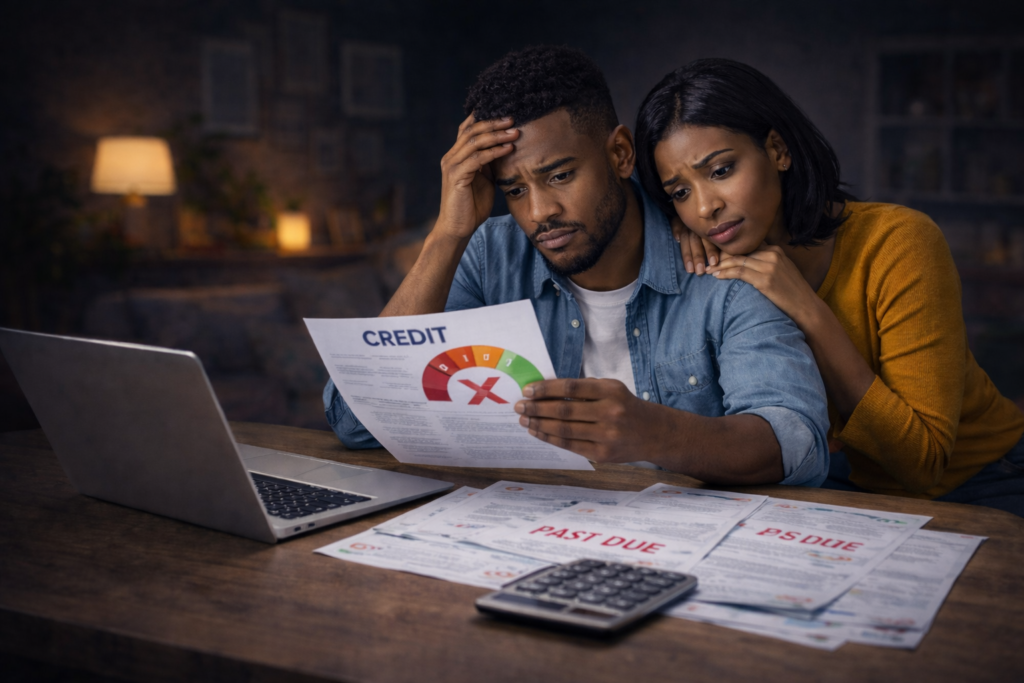
Bad Credit Loans in South Africa – Apply Online with Confidence
Struggling with bad credit? You may still qualify for a loan. Submit one free application and get matched with South African lenders who look beyond your credit score.
- No hidden fees. No spam. No impact on your credit score. Secure and POPIA-compliant.
✓ One application, multiple lenders
✓ Lenders consider income & affordability
✓ Fast approval and quick feedback
✓ Free to apply, no obligation
🔒 Secure & Encrypted
💳 No Credit Score Impact
⚡ Fast Loan Matching
✔ 100% Free Service
Bad Credit Loans in South Africa – Options When Banks Say No
Bad credit is more common in South Africa than most people think. According to the National Credit Regulator, millions of South Africans have impaired credit records — making it harder to get approved for traditional loans.
If you’ve been declined by a bank, you’re not alone. You may have a stable income and the ability to repay, but past missed payments can still affect new applications and lead to repeated rejections.
The good news is that not all lenders assess applications the same way. Some NCR-registered lenders focus more on your current affordability rather than only your credit history.
This page explains how bad credit loans work in South Africa, what lenders look for, what you can realistically expect, and how to avoid scams when searching for a loan.
ClearLoans is a loan matching platform, not a lender. We connect South African applicants with registered credit providers. Approval is not guaranteed and depends on each lender’s criteria.
Find Out What Bad Credit Loan Options You Qualify for Today
Answer a few simple questions and get matched with lenders ready to review your request. No obligation. 100% secure.
✔ Takes less than 2 minutes ✔ No impact on your credit score ✔ Secure & POPIA compliant
Types of Bad Credit Loans in South Africa
Bad credit loans may come in different forms depending on your financial needs, income, affordability, and the lender’s assessment criteria. Understanding the types of bad credit loan options available in South Africa can help you explore the option that best suits your situation.
Online Bad Credit Loans
Online bad credit loans allow South Africans to submit a loan enquiry quickly and securely from anywhere. Instead of visiting multiple lenders, borrowers can complete one digital application and explore loan options based on their profile.
Small Cash Loans for Bad Credit
Small cash loans for bad credit are intended for borrowers who need access to smaller loan amounts without applying for a larger personal loan. These loans are often used to manage temporary shortfalls.
Payday Loans for Bad Credit
Payday loans for bad credit may be considered by lenders who look beyond just credit scores. Some lending partners may evaluate income stability, affordability, and overall financial profile when reviewing applications.
Personal Loans for Bad Credit
Personal loans for bad credit may be available to applicants who meet lender criteria despite having a lower credit score. Some lenders may place greater focus on affordability, income, and repayment ability rather than credit score alone.
Emergency Bad Credit Loans
Emergency bad credit loans may help with urgent expenses such as medical bills, car repairs, or unexpected household costs. Approval depends on the lender’s review of your income, affordability, and financial commitments.
Short-Term Bad Credit Loans
Short-term bad credit loans are designed to help cover temporary financial gaps. These loans are usually for smaller amounts and shorter repayment periods than traditional personal loans.
How to Apply for Bad Credit Loans in South Africa
Applying for bad credit loans in South Africa has become much easier thanks to online loan platforms. Instead of applying to multiple lenders individually, you can complete one simple online application and have your details shared with lenders who may be willing to consider borrowers with lower credit scores.
ClearLoans helps connect South Africans with lenders that offer bad credit personal loans, short-term loans, and other financing options. The process is quick, secure, and designed to help you explore loan options even if your credit history isn’t perfect.
Applying for a bad credit loan through ClearLoans usually involves three simple steps.

Complete the Online Loan Application
Start by filling out the secure online application form. You’ll be asked for basic information such as your loan amount, employment status, income range, and contact details. The form only takes a few minutes to complete and helps lenders understand your financial situation.
Your Application Is Shared with Potential Lenders
Once your enquiry is submitted, your application may be reviewed by lenders who consider bad credit loan applications in South Africa. Each lender evaluates your information according to their own approval criteria and lending policies.
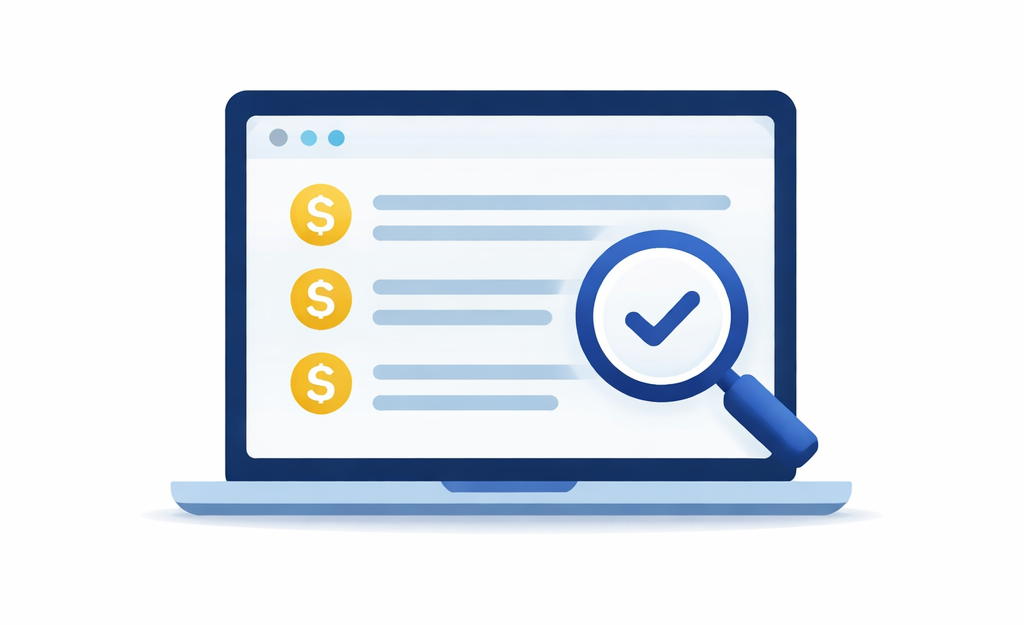

Review Loan Options from Lenders
If a lender believes you may qualify, they may contact you with more information about a possible loan offer. This could include details such as the loan amount, repayment period, interest rate, and monthly instalments so you can decide whether the loan is suitable for your needs.

Why Thousands of South Africans Choose ClearLoans
ClearLoans connects South Africans with trusted lenders through a simple and secure online loan request. Fast, secure and with no impact on your credit score.

Fast Loan Requests
Submit your secure online application in minutes and get connected with trusted South African lenders.
Secure & Private
Your personal and financial information is protected with secure encryption and trusted technology.

Multiple Lender Options
Your request may be reviewed by multiple lending partners, increasing your chances to find the right loan
100% Free Service
Applying through ClearLoans is completely free with no hidden fees or obligations.
What Does ‘Bad Credit’ Actually Mean?
‘Bad credit’ is not a legal term — it’s shorthand for a credit profile that mainstream banks typically won’t approve. In practice, this means one or more of the following:
- Low credit score: Below 580–600 at most bureaus, indicating a history of missed or late payments
- Defaults: Unpaid accounts handed to collections or written off — listed at credit bureaus for up to 3 years
- Judgements: Court orders granted against you for unpaid debt — listed for up to 5 years from the date of judgement
- Administration orders: Insolvency-related listings that can remain for up to 10 years
- High debt-to-income ratio: Your existing repayments already consume a large portion of your income, even without adverse listings
- Thin credit file: You’ve borrowed very little and bureaus have insufficient data to generate a reliable score
Can You Get a Loan If You’re Blacklisted in South Africa?
‘Blacklisted’ is informal language — there is no government blacklist, and there is no single industry database called ‘the blacklist.’ What South Africans are referring to is adverse credit bureau listings: defaults, judgements, and negative payment history held at TransUnion, Experian, XDS, and Compuscan.
Having these listings makes credit harder to access — it does not make it impossible. Here’s why:
- Not all lenders pull the same bureau data. Specialist non-prime lenders often rely more heavily on bank statement analysis and income verification than on bureau scores
- Adverse listings have legally defined expiry dates. A 3-year-old paid default looks very different to a 3-month-old fresh default to a sophisticated lender who understands credit behaviour
- A stable, verifiable current income frequently outweighs historical negatives for short-term and small-amount loan applications
- Some specialist lenders exist specifically to serve the non-prime market — their entire business model is built around assessing risk beyond the bureau score
The direct answer: yes, you can get a loan if you’re blacklisted in South Africa. How difficult this is depends on how serious the adverse listings are, how recent they are, and what your current income picture looks like. Someone with a paid-off default from two years ago and twelve consecutive months of clean bank statements is in a fundamentally different position to someone with an unpaid judgement from last month.
What Lenders Actually Look At for Bad Credit Applications
| Factor | Why It Matters | What Lenders Want to See |
|---|---|---|
| Current monthly income | Primary repayment ability indicator | Stable salary deposited consistently every month |
| Employment stability | Signal that income will continue | Same employer for 6+ months; formal employment preferred over casual |
| Bank statement behaviour | Reveals actual cash flow and financial discipline | Regular salary deposits; no returned debit orders; no gambling transactions |
| Debt-to-income ratio | Can you afford the new repayment? | Existing commitments ideally under 40–45% of net monthly income |
| Recency of adverse listings | Is the situation improving or deteriorating? | No new defaults in past 12 months is a strong positive signal |
| Affordability assessment | NCA legal obligation — Section 81 | Evidence the repayment is sustainable without over-indebting you |
Notice: a perfect credit score does not appear on that list. Specialist bad credit lenders care considerably more about your bank account behaviour today than what your TransUnion report showed three years ago.
Real-World Examples: What Bad Credit Borrowers Can Actually Access
Example 1: Thandi — Nursing assistant, defaults from retrenchment
Thandi is 34, permanently employed at a private clinic for two years, earning R14,500 per month net. Three years ago she defaulted on a clothing account and a personal loan during retrenchment. Both defaults still appear on her TransUnion report. Credit score: 520. Her car needs R6,500 in repairs. Two banks declined her.
What she can realistically access through a non-prime lender: a short-term loan of R6,500 over 4 months at approximately 4.5% per month. Estimated monthly repayment: R1,850. Total repayable: approximately R7,400. That’s R900 in costs on R6,500 borrowed — not cheap, but legal, regulated, and manageable on her income (12.8% of net salary). Four months of on-time repayment also adds a positive bureau entry, beginning to rebuild her profile.
Example 2: Sipho — Self-employed, thin credit file
Sipho is 41, a sole-trade electrician operating for three years. He earns between R18,000 and R26,000 per month depending on work volume. He has no formal credit history — he’s never taken a loan or a credit card. His credit score is ‘unscored’ at most bureaus. He needs R15,000 to buy specialised equipment to take on a larger contract.
Sipho’s challenge isn’t adverse listings — it’s the thin file. Most traditional lenders can’t score him. His solution: a specialist lender who uses 6 months of bank statement analysis instead of bureau scores. His consistent monthly deposits and clean account behaviour qualify him for a personal loan at 24–26% p.a. over 24 months. Monthly repayment: approximately R780. Total cost: approximately R3,700. He builds a credit profile for the first time in the process.
Types of Bad Credit Loans Available
| Loan Type | Typical Amount | Typical Term | Max Rate (NCA) | Best For |
|---|---|---|---|---|
| Payday / short-term | R500 – R8,000 | 1 – 6 months | 5% per month | Small urgent gaps; income-verified applicants |
| Unsecured personal loan | R1,000 – R50,000 | 6 – 36 months | Repo + 21% p.a. | Larger needs; stable income; adverse but not recent listings |
| Vehicle-secured loan | R5,000 – R150,000 | 12 – 60 months | Repo + 17% p.a. | Lower rate if you own a vehicle outright |
| Microfinance loan | R500 – R15,000 | 1 – 24 months | NCA compliant | Lower-income segment; NCR-registered MFIs |
How to Maximise Your Chances of Approval
Get your bank statements clean before applying
Your three most recent bank statements are read with more scrutiny than almost anything else. Returned debit orders tell lenders your account is already overcommitted. Before applying, work on having at least two to three months of clean statements: regular salary deposits, no returned items, no erratic spending patterns. Time this — applying before your statements reflect the improvement wastes the application.
Apply for an amount your income can genuinely support
Under Section 81 of the NCA, lenders must reject applications where the repayment would over-extend you. Applying for R30,000 on a R10,000 net salary will be declined — not punitively, but because approving it would constitute reckless lending. Work backwards: decide what monthly repayment you can comfortably absorb, calculate the maximum loan amount that produces that repayment at the expected rate, then apply conservatively. Lenders who see realistic applications from applicants who clearly understand their own situation approve them more readily.
Have all documents ready before you start
Incomplete applications stall, and stalled applications are frequently abandoned or declined by default. Have ready before you begin: valid SA ID, three most recent payslips or bank statements, three months of the bank account your salary enters, recent proof of address (under 90 days), and your banking details. If self-employed, add six months of business and personal bank statements plus your most recent SARS tax clearance certificate from eFiling.
Dispute credit bureau errors before applying
Errors are more common than most South Africans realise. A paid-up default still showing as open, a duplicate listing, an account in your name that was never yours — any of these can artificially depress your score. Disputes are free under the NCA and bureaus must investigate within 20 business days. Contact TransUnion (0861 482 482), Experian (0861 105 665), XDS (011 645 9100), or Compuscan (0861 514 131) directly with your ID and supporting evidence.
How to Rebuild Your Credit After Impairment
Getting a bad credit loan is a bridge — the destination is a credit profile that opens cheaper, larger options over time. These actions have the most measurable impact on your score:
- Pay every account on time, without fail. This is the single largest factor in your score. Your municipal account, your cellphone contract, your store card — all of it counts.
- Keep balances below 30% of credit limits. High utilization signals financial stress even without missed payments.
- Don’t open multiple new accounts at once. Every application is an enquiry. Multiple applications in a short window signal desperation to bureaus.
- Don’t unnecessarily close old accounts. The age and length of your credit history contribute positively to your score.
- Get your report and read it. One free report per year per bureau under the NCA. You can’t fix what you don’t know exists.
Timeline — when adverse listings clear under the NCA and National Credit Amendment Act 2019:
| Listing Type | Removed After |
|---|---|
| Late payments (adverse payment info) | 1 year after account brought current |
| Paid-up defaults | 1 year after date of settlement |
| Unpaid defaults | 3 years from date of listing |
| Court judgements | 5 years from date of judgement, or when rescinded |
| Administration orders | 10 years, or when rescinded by court |
| Debt review status | Within 60 business days of receiving clearance certificate |
| Credit enquiries | 2 years from date of enquiry |
Warning: Fraud and Scams Targeting Bad Credit Applicants
The bad credit loan market attracts fraudulent operators who specifically target people who have been declined by mainstream lenders — because those people are financially vulnerable and may be less cautious. This fraud costs South Africans hundreds of millions of rands annually. Non-negotiable red flags:
- Any upfront fee: No legitimate NCR-registered lender charges money before disbursing your loan. This is illegal. If anyone asks for an upfront payment of any kind before releasing funds, stop all contact immediately.
- WhatsApp or Facebook loan offers: Legitimate credit providers do not recruit customers through personal social media messages. Every ‘loan offer’ received via WhatsApp from an individual is a scam.
- Not listed on the NCR registry: Verify every lender at www.ncr.org.za before sharing any personal information. If they’re not registered, they’re not legal.
- Guaranteed approval regardless of credit: No regulated lender can guarantee approval before conducting an affordability assessment. ‘Guaranteed for all’ is a fraud marker.
- Pressure tactics and false urgency: Legitimate lenders give you time to read the agreement. ‘Offer expires in 10 minutes’ is a manipulation technique, not a real deadline.
Report fraudulent operators to: NCR — 0860 627 627. SAPS — 10111. SABRIC (banking fraud) — 011 847 3000. If funds were transferred to a fraudster’s bank account, contact the receiving bank’s fraud line immediately — swift action can sometimes recover funds.
Your Rights Under the NCA Regardless of Credit History
A bad credit record does not diminish your consumer rights. Under the NCA, you are still entitled to:
- A pre-agreement statement and quotation (Form 20) before signing any credit agreement
- A five-business-day cooling-off period for credit agreements of R5,000 or more
- Protection from reckless lending — a lender who approves credit they know will over-extend you violates Section 80 of the NCA
- The right to dispute inaccurate information held at any credit bureau
- Access to a free credit report once per year per bureau
- The right to apply for debt counselling under Section 86 of the NCA if you are genuinely over-indebted
NCR helpline: 0860 627 627. Credit Ombud: 0861 662 837. National Consumer Tribunal: 012 685 0800. Debt counsellor directory: www.ncr.org.za.
Start Exploring Bad Credit Loan Options with ClearLoans
ClearLoans aims to make the process of exploring bad credit loan options simple, secure, and accessible for South Africans. Instead of applying with multiple lenders individually, you can submit one online enquiry and allow lending partners to review your information.
By completing a quick and secure application, borrowers may be matched with lenders who assess their financial profile, income, and affordability to determine whether they can present a loan offer.
Whether you are searching for bad credit loans, short-term loans, payday loans, or personal loan options, ClearLoans provides a convenient starting point for exploring lending opportunities available in South Africa.
If you are ready to begin, submit your loan request today and take the first step toward exploring loan options that may suit your financial situation.
Frequently Asked Questions About Bad Credit Loans in South Africa
Have questions about applying for bad credit loans in South Africa? Below are answers to some of the most common questions borrowers ask when exploring loan options with a lower credit score. These frequently asked questions can help you better understand how bad credit loans work, what lenders may consider when reviewing applications, and what to expect during the loan enquiry process.
What credit score do I need for a bad credit loan?
There is no universal minimum. Specialist bad credit lenders assess applications differently from banks — many focus more on current income and bank statement behaviour than bureau scores. As a guide, a score below 580 is generally considered ‘bad’ at most SA bureaus. Some specialist lenders will consider applicants with scores well below this if the income picture is strong and the bank statements are clean.
Is ‘blacklisted’ an official status in South Africa?
No. There is no blacklist. ‘Blacklisted’ refers informally to adverse credit bureau listings — defaults, judgements, or negative payment history recorded at TransUnion, Experian, XDS, or Compuscan. These listings expire on specific legal timelines under the NCA. Incorrect listings can be disputed with the relevant bureau at no cost.
Can I get a bad credit loan while under debt review?
No. The NCA expressly prohibits any credit provider from granting new credit to a consumer under formal debt review, and prohibits consumers from applying for it. Any agreement entered into in violation of this is void and constitutes fraud. If you are under debt review and struggling, work through your registered debt counsellor — not through new credit.
Will a bad credit loan improve my credit score?
Yes — only if you repay it on time, every month. Every on-time payment is reported positively to credit bureaus. Over 12–24 months of consistent repayment, the positive payment history builds up and progressively outweighs older negative listings. This is the most reliable mechanism for rebuilding a damaged credit profile.
How long do adverse listings stay on my record?
Under the NCA and National Credit Amendment Act 2019: late payment information for 1 year after becoming current; paid defaults 1 year from settlement; unpaid defaults 3 years from listing; judgements 5 years from date of judgement; administration orders 10 years or until rescinded; debt review status removed within 60 business days of clearance certificate; enquiries after 2 years.
What documents do I need?
Valid SA ID; three most recent payslips or bank statements confirming regular income; three months of the bank account your salary is paid into; proof of address not older than 90 days; banking details. Self-employed: add six months of business and personal bank statements plus SARS tax clearance certificate.