
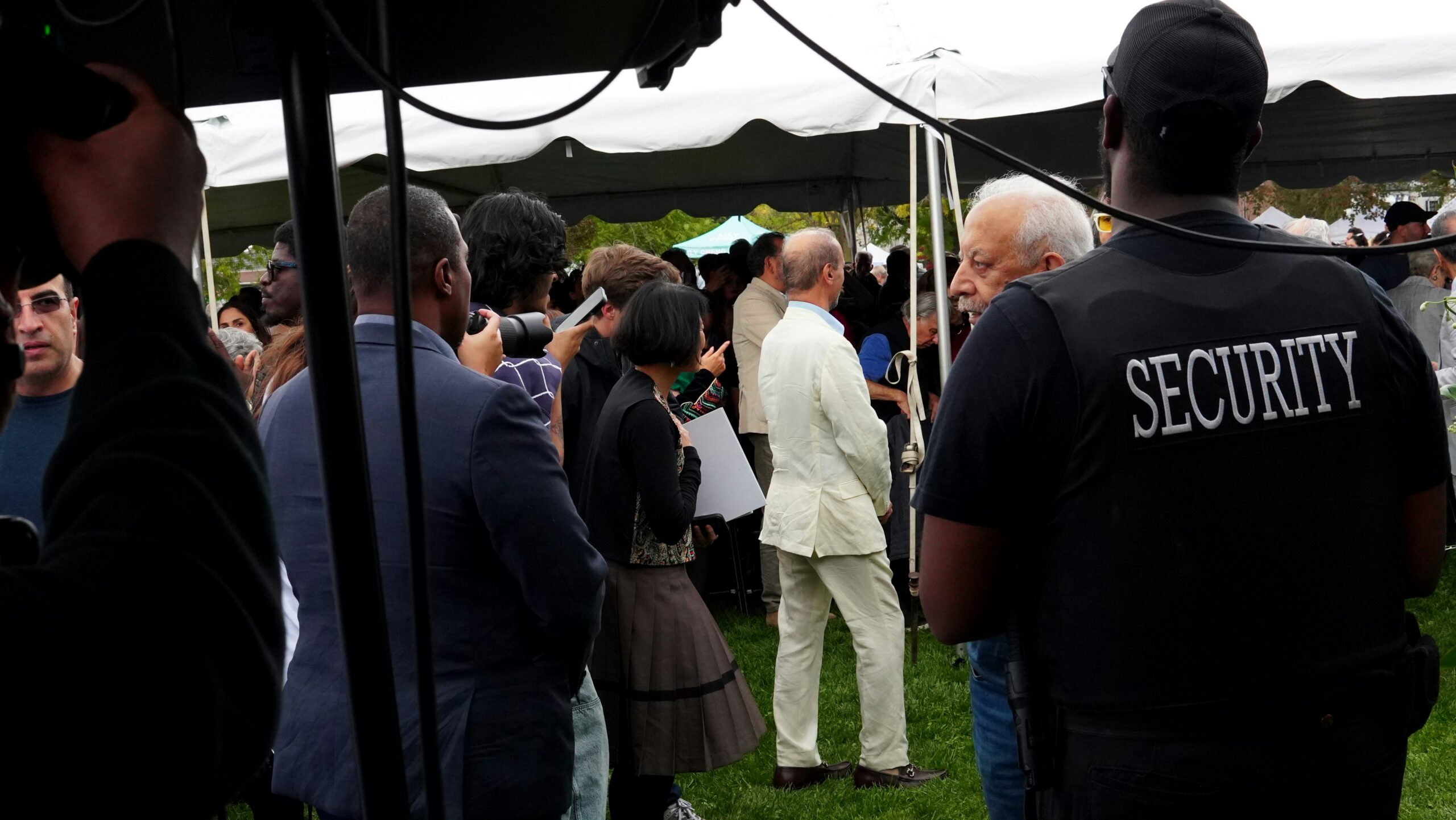
South Africa employs more private security personnel than any other country in the world — over 500,000 registered security officers working across every industry, retail environment, residential estate, and business district in the country. They are formally employed, licensed by PSIRA (Private Security Industry Regulatory Authority), and earn a verifiable wage. They should have straightforward access to regulated personal credit. Many do not — and the reason is a combination of the private security industry’s specific wage structure, the prevalence of agency employment in the sector, and the shift pattern income variation that affects every security officer’s monthly take-home.
This article addresses the loan access situation for security officers specifically — the income documentation challenges unique to the industry, the PSIRA registration advantage that many officers do not know exists as a supporting credential, the agency employment documentation path, and the financial discipline framework that matters especially in an industry where the starting wage leaves very little margin.
The Private Security Income Structure
Security officer wages in South Africa are governed by the Sectoral Determination for Private Security (SD6) and by collective agreements in the larger security companies. The wage structure creates specific income documentation characteristics:
| Income Component | SD6 / Regulated? | Fixed or Variable | Lender Assessment | Notes |
| Basic hourly/monthly wage | Yes — SD6 minimum | Fixed | Always included | Area-based minimums apply; Grade C–A scale |
| Night shift allowance | Yes — SD6 prescribed | Fixed if on rotation | Included if consistent | Must appear on payslip for 3+ months |
| Overtime (>45 hours/week) | Yes — SD6 regulated rate | Variable | Averaged or excluded | Submit 6 months payslips to average reliably |
| Armed response callout fee | Variable | Variable | Excluded | Irregular; not predictable future income |
| Site-specific risk allowance | Sometimes provided | Fixed if contractual | Included if on payslip consistently | Some high-risk site deployments include this |
| Standby allowance | Sometimes provided | Fixed if on schedule | Included if regular | 12-hour or 24-hour standby structures |
Table 1: Security officer income components — SD6 regulation status, fixed vs variable, and how lenders assess each
The Agency Employment Route: Most Common in Private Security
The majority of South African security officers are not employed directly by the end client (the shopping centre, the office park, the residential estate) — they are employed by a security company and deployed to client sites. The security company is the employer of record; the client is the deployment site. This structure creates a specific documentation path:
- Employer: the security company (e.g. G4S, Fidelity, Enforce, Stallion, or any PSIRA-registered company). The payslip comes from the security company. This is the employer document — not the site where the officer physically works.
- PSIRA registration number: Every registered security officer in South Africa has a PSIRA registration number that can be verified on the PSIRA online register. This is the professional credential equivalent — it confirms that the officer is legally entitled to work in the industry and has met the training and clearance requirements. Some specialist lenders include PSIRA registration as a supporting document that contextualises the income from the employer.
- Grade and employer: Security officer grades (Grade E through Grade A, with additional specialised categories for armed response, close protection, and cash-in-transit) determine the SD6 minimum wage applicable to the officer. A Grade B officer’s payslip will show a higher basic rate than a Grade E officer — this is verifiable against published SD6 rates and gives the lender confidence that the basic salary shown is genuine and cannot be reduced below the regulated minimum.
The Low-Margin Reality: Why the Buffer Test Matters More Here
Starting security officer wages in South Africa are modest — Grade E minimum wages are in the R5,000–R7,000 range per month depending on the area (Metro, Urban, or Rural designation under SD6). After living expenses, an entry-level security officer may have an NDI of R1,000 to R2,000 at most. This is not enough to service most personal loan products comfortably.
This reality makes the buffer test — the calculation that determines whether the instalment leaves a meaningful positive balance after all deductions and living expenses — more critical for security workers than for many other employment categories. A loan that passes the affordability assessment technically (NDI is positive) but leaves R400 after the instalment is a loan that creates financial crisis on the first unexpected expense.
The buffer test for a security officer: Net salary after all existing debit orders minus the proposed instalment minus essential living expenses must leave at least R800–R1,000 positive. At lower salary levels, this threshold is proportionately more important — not less — because there is no financial slack to absorb variance. If the buffer test produces less than R800, the correct action is to reduce the amount requested or extend the term, not to accept the offer as is.
Building Toward Better Loan Access Over Time
For security officers at the lower end of the SD6 wage scale, the most impactful medium-term actions are:
- Progress through the grade system. Each grade upgrade comes with a higher SD6 minimum wage. A Grade E officer who obtains Grade D certification and is deployed accordingly earns materially more — both improving the NDI and signalling professional progression to lenders.
- Build clean bank statement behaviour. Six months of no returned debits, consistent deposits, and a positive end-of-month balance creates the most powerful forward-looking signal available to a borrower at any income level. For a security officer on a tight income, clean statement behavior is the credit file improvement that costs nothing.
- Clear any existing micro-loans before applying for a larger product. Multiple small loans on a tight income quickly consume the entire NDI. Settling the highest-cost obligation first — typically a payday or micro-loan — frees up the NDI for a single, more structured short term loan.
- PSIRA Armed Response or Close Protection certification. Higher-grade specialisations command significantly higher wages and better career stability. The investment in advanced certification is the income growth path that most improves long-term loan access.
Frequently Asked Questions
1. Can a security guard get a personal loan in South Africa?
Yes — PSIRA-registered security officers employed by registered security companies are formal salaried employees with payslips and standard employment documentation. The loan qualification uses the same NDI calculation as any other salaried worker. The practical constraint for entry-level security officers is that the modest basic salary produces a relatively small NDI, limiting the qualifying amount to what that NDI can support. Specialist micro-lenders and short term lenders in the ClearLoans network offer products calibrated for the income range common in the security industry.
2. Does PSIRA registration help with a loan application?
PSIRA registration is a professional credential that confirms legal employment in the industry. It doesn’t directly improve the credit score or increase the qualifying amount — but it serves as a useful supporting document that contextualises the income from the security company employer. For a lender unfamiliar with the private security employment structure, a PSIRA registration certificate alongside the employer payslip confirms that the employment relationship is legitimate, regulated, and professionally structured rather than informal. It is most useful for officers employed through smaller, less recognised security companies where the lender may request additional verification.
3. What if my employer is a small or unknown security company?
PSIRA registration of the employer is verifiable — every security company operating in South Africa must be registered with PSIRA, and the register is publicly searchable. If the lender raises concerns about an unfamiliar security company, provide the employer’s PSIRA registration number alongside the payslip. This confirms the employer is a legitimate, regulated business rather than an informal arrangement. Bank statements showing consistent monthly salary deposits from the same employer over six months are the second most useful evidence — they demonstrate that the employment relationship exists and produces regular income regardless of the employer’s name recognition.
4. I work 12-hour shifts — does my overtime still count?
Security officers on 12-hour shift patterns often work more than the 45-hour standard work week, making a significant portion of their income technically overtime under SD6. How this income is treated depends on the payslip structure — if the employer structures the 12-hour shift pay as a flat ‘shift rate’ rather than separately identifying overtime hours, some lenders include the full shift rate in the assessment. If overtime is separately itemised, the averaging approach applies. Submit multiple payslips showing the consistent shift structure to give the lender enough data to calculate an accurate average rather than using a conservative single-month snapshot.
5. My security company deducts equipment and uniform costs from my salary — how does this affect my loan?
Equipment and uniform deductions that appear on the payslip reduce the net take-home used in the NDI calculation. These deductions are visible to the lender and are treated the same as any other deduction — they reduce the qualifying amount. If the deductions are one-time onboarding costs that will stop after the first few months, provide the payslip that shows the deduction alongside one that shows the normalised salary without it, with a brief explanation that the deduction is temporary. This context prevents the lender from treating a one-time cost as a permanent income reduction.
Final Thought
South Africa’s security industry employs more than half a million people doing essential, often dangerous work for wages that leave limited financial margin. The regulated lending market exists for these workers — but they need to navigate it carefully, apply for amounts their tight NDIs can genuinely sustain, and build the clean bank statement record that compensates for the income level constraint. PSIRA registration, SD6 minimum wages, and formal employment through registered companies give security officers a stronger documentation foundation than many informal workers have — and that foundation is the starting point for meaningful credit access.
Security officer loan applications matched to appropriate lenders at clearloans.co.za.